
Support Canadian Food banks
The Challenges Facing Food Banks in Canada
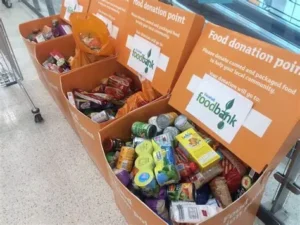
What started as a temporary response to economic hardships has evolved into an essential support system for millions of Canadians. Food banks across all Canadian provinces and territories are the only source for food for individuals and families who are struggling to afford nutritious food. Demands continue to rise and food banks are facing unprecedented challenges that make it increasingly difficult to meet the growing needs of many communities in Canada.
Rising Costs
The rising cost of living, Inflation, the prices of groceries, housing, utilities, and transportation. are a few of the challenges food banks face. Of course becasue of these challenges many Canadians, who were once financially stable, are now finding it difficult to make ends meet. Because of these challenges food banks are serving more and more working families, seniors on fixed incomes, students, newcomers, and people with full-time jobs who still cannot afford to feed their families.
Donations
Food banks are finding that getting donations has become less predictable. Because of the high cost of living household budgets have tightened. This results in fewer resources available to donate. Businesses, grocery stores, and food manufacturers are also face higher operating costs. This can reduce the supply of surplus food available for donation. If this situation does not change, donations will also struggle to keep pace with demand.
Volunteers
There is also another problem which presents another significant obstacle which is the lack of Volunteer shortages. Food banks are heavily, or totally reliant on volunteers to sort donations, stock shelves, prepare food hampers, and assist clients. Recruiting and retaining volunteers can be challenging, particularly during busy seasons or in smaller communities where volunteer pools are limited. And hats off to anyone who volunteers!
Costs Of Operation
Fuel costs have caused transportation and distribution costs to have risen considerably as well. Along with fuel costs many food banks have vehicle maintenance, refrigeration, and warehouse expenses. Of course these continue to increase along with everything else. These challenges are particularly harder in rural and remote communities. Out of the way communities face greater logistical challenges and longer delivery distances that only add to operational costs and make regular food distribution more difficult.
Getting Fresh Food
Any food bank operation will tell you that heir main aim is to provide access to healthy, nutritious food. Along with non-perishable donations, which are essential, food banks struggle to provide fresh fruits, vegetables, dairy products, proteins, and culturally appropriate foods whenever possible. In many cases the cost of purchasing and storing these items requires additional funding, refrigeration, and careful inventory management.
Still Working
Canadian food banks continue to demonstrate remarkable resilience even in spite of the challenges. because of generous community support, corporate partnerships, government assistance, fundraising events, and thousands of dedicated volunteers, it still works. Communities have come up with some innovative programs such as food rescue initiatives, community gardens, and partnerships with local farmers also help expand access to nutritious food while reducing food waste.
Food insecurity, which affects more and more people every day, makes supporting local food banks more important than ever. It works because very donation, volunteer hour, and community partnership helps ensure that individuals and families facing difficult times have access to the food they need. Our efforts can help food banks continue their vital mission of providing hope, dignity, and nourishment to those who need it most.
Choose or Change Organizations To Start Supporting
You can change organizations to support by clicking on a world region below.
Support international Organizations
Do you write in the travel related industry? If so we would like to offer you the opportunity to submit articles of travel related material. Although we don’t pay as yet, you will get a great one way link back to your website or blog. Interested? Let us know here.
- We can help you out with our “No Extra Cost” fundraising program!
- Your organization can potentially earn donations by referring your supporters to this site!
- Just pass off your unique tracking link to your supporters, that’s it!
- No sales to make, no stock, and you don’t deal with any retailers or customers, easy!
- Does your organization impact the lives of families on a daily basis?
- If so, your organization can apply right here, it’s free for everyone to use!
- Completely free for your organization and supporters to use.
Affiliate Disclosure
Some of the links on this website are affiliate links, which means we may earn a small commission if you click through and make a purchase, this is at no additional cost to you! in addition these commissions help support the operation and continued development of our website.
We are committed to giving back: 60% of our affiliate earnings are donated to non-profit organizations through our social impact enterprise that supports community, environmental, and social impact initiatives. Furthermore we only promote products and services we believe provide genuine value to our users, and our content remains unbiased and independently researched.