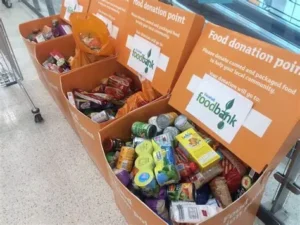
Support USA Food banks

The Challenges Facing Food Banks in the USA

Everyday food banks across the US work to ensure that families, children, seniors, veterans, and individuals facing financial hardship have access to nutritious food. For millions of Americans they are the essential lifeline for those experiencing food insecurity. Even tough they face numerous challenges they continue to make a tremendous impact in the communities they serve.

Rising Costs

The growing demand for food assistance is a direct result of rising housing costs, inflation, medical expenses, and higher grocery prices. Many people, who are now turning to food banks, never expected to be in that position. One of the biggest surprises are the number of working families using food banks. This group is among the fastest-growing seeking food assistance. This demonstrates that employment alone does not always guarantee food security.

Operating Costs

Operating costs is the one of the biggest obstacles food banks face today. Transportation costs, fuel costs, refrigeration, warehouse space, and distribution expenses have all increased. These rising costs reduce the purchasing power of donations and make it more expensive to collect and distribute food to local communities, especially in rural area.

Donation Instability

Food donations fluctuate throughout the year where donations during holiday seasons may increase, but may fall off during other months. Even though grocery stores, farms, and food manufacturers continue to donate surplus products, changes in supply chains and inventory management often times means less excess food is available than in previous years.

Volunteer Recruitment

Volunteer recruitment is becoming an ongoing challenge. Volunteers help sort donations, pack food boxes, stock shelves, and distribute meals. The reality is that many food banks struggle to maintain a consistent volunteer workforce. This is especially true in smaller and rural communities where volunteer resources may be limited.

Nutritious Food

Providing healthy and nutritious food is the main aim of most food banks. They would love to offer fresh fruits, vegetables, dairy products, lean proteins, and whole grains everyday. However, the reality is that these foods require more funding for refrigeration, careful handling, making them more difficult to store and distribute than shelf-stable items.

Still Moving Forward

Despite all the obstacles food banks face today, they still continue to demonstrate incredible resilience and compassion. Through the generous support of donors, volunteers, corporate partners, community organizations, and government programs, they continue to help millions of people each year. Innovative programs such as partnerships with local farmers, and community outreach initiatives helping expand access to nutritious food and reducing food waste.

As food insecurity continues to affect communities nationwide, supporting local food banks remains one of the most effective ways to make a positive difference. Every donation, volunteer hour, and community partnership helps ensure that no one has to face hunger alone.

support non profit organizations
  • We can help you out with our “No Extra Cost” fundraising program!
  • Your organization can potentially earn donations by referring your supporters to this site!
  • Just pass off your unique tracking link to your supporters, that’s it!
  • No sales to make, no stock, and you don’t deal with any retailers or customers, easy!
  • Does your organization impact the lives of families on a daily basis?
  • If so, your organization can apply right here, it’s free for everyone to use!
  • Completely free for your organization and supporters to use.

Affiliate Disclosure

Some of the links on this website are affiliate links, which means we may earn a small commission if you click through and make a purchase, this is at no additional cost to you! in addition these commissions help support the operation and continued development of our website.

We are committed to giving back: 60%+ of our affiliate earnings are donated to non-profit organizations through our social impact enterprise that supports community, environmental, and social impact initiatives. Furthermore we only promote products and services we believe provide genuine value to our users, and our content remains unbiased and independently researched.

Does your company offer an affiliate program? Work with us!

Common Questions and FAQs

Food banks play a critical role in fighting hunger by collecting, storing, and distributing food to local food pantries, soup kitchens, shelters, and community organizations. They help ensure that millions of Americans facing food insecurity have access to nutritious meals throughout the year.

Food banks serve a wide range of people, including low-income families, children, seniors, veterans, people with disabilities, college students, and individuals experiencing temporary financial hardship. Many working households also rely on food banks to help stretch their grocery budgets during difficult times.

Food banks contribute to stronger communities by reducing hunger, improving health outcomes, supporting children’s development, and helping families remain financially stable. By providing food assistance, they allow individuals and families to direct limited income toward essential expenses such as housing, healthcare, transportation, and utilities.

Many food banks partner with grocery stores, farmers, food manufacturers, restaurants, and distributors to recover surplus food that might otherwise be discarded. This food is safely redistributed to people in need, reducing waste while making nutritious food available to communities across the country.

People can support food banks by donating food, making financial contributions, volunteering their time, organizing community food drives, or participating in fundraising events. Every donation helps food banks purchase, transport, and distribute food to those who need it most.